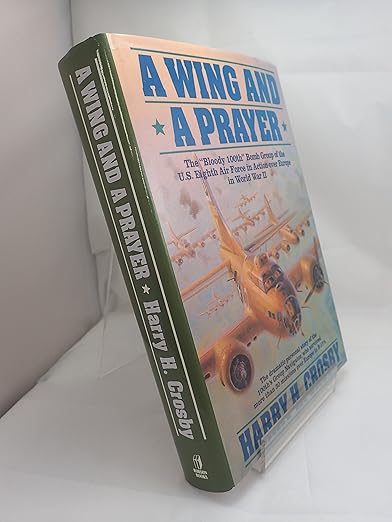
From Library JournalA navigator with the Eighth Air Force in England during World War II, Crosby served in one of the most badly mauled groups of the theater, the famous "Bloody 100th." He rose through the ranks, by his own admission blundering through his first few missions, then gained skill and a professional reputation to become group navigator. Along the way there were more than 32 missions over German-held territory and the loss of many friends and fellow air crew. Crosby's name has figured in nearly every history of the Eighth; it is valuable to have his lucid and careful descriptions of action in his own words. He re-creates for us the sense of how it was when European skies were filled with noise and danger, when the fate of millions hung in the balance. An evocative and excellent memoir for general and specialized collections.- Mel D. Lane, Sacramento, Cal.Copyright 1993 Reed Business Information, Inc.From Kirkus ReviewsAn affecting, ambivalent memoir from an Army Air Force veteran who survived the savage aerial engagements of WW II's ETO. Lead navigator in the 100th Bomb Group, which sustained staggering casualties at the Luftwaffe's hands, Crosby was responsible for guiding flotillas of UK-based B-17s to targets throughout occupied Europe. An archetypal straight arrow from mid- America, the well-educated and happily married author had little use for daredevils, drunks, goldbricks, lady-killers, or anyone else who treated combat as a less-than-serious business. Nor did he much appreciate the USAAF's bent for giving pilots preference (over bombardiers or pathfinders) on promotions, decorations, and command billets. Crosby provides a vivid account of what life was like on and off the flight line in East Anglia, as well as in the unfriendly skies above the Continent, where his notable accomplishments were matched by his hairbreadth escapes. During his extended tour, for example, he directed missions against objectives so remote that the raiders had to land in Africa or Russia rather than return to their home fields. On another occasion, his plane, badly damaged by flak, was obliged to shoot down ten German fighters to make it back for a crash landing on British soil. As his squadron lost men and machines, the high cost of conflict became an increasingly grave concern for Crosby. The author soldiered on, however, and he recalls now the relief he felt when Flying Fortresses began delivering food supplies (not ordnance) to the long-suffering people of liberated countries. In a low-key epilogue, he discloses that, though a regular attendee at his outfit's reunions, he turned actively anti-war during the 1960's. Uncommonly thoughtful recollections that address the moral ambiguities of a great cause without in any way denigrating the selfless valor or camaraderie that helped ennoble it. (Thirty-two pages of b&w photographs--not seen.) -- Copyright ©1993, Kirkus Associates, LP. All rights reserved.