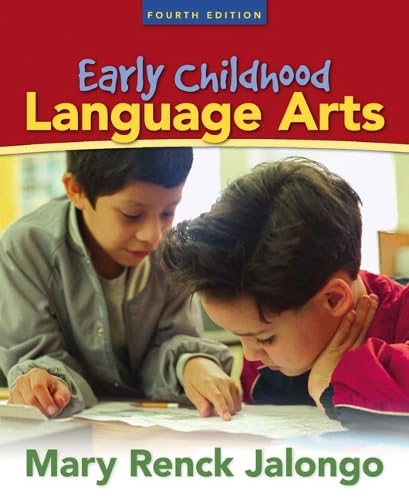
From the Back Cover“Today’s society is becoming increasingly diverse and future teachers must be prepared for the populations they will serve. However, it is not just the inclusion of these topics that … [is a] strength of this text. The author approaches these topics with such a positive tone, particularly through the examples provided of specific children or families, that the reader could see working with these populations as a potential joy and positive aspect of teaching.” “Today’s society is becoming increasingly diverse and future teachers must be prepared for the populations they will serve. However, it is not just the inclusion of these topics that … [is a] strength of this text. The author approaches these topics with such a positive tone, particularly through the examples provided of specific children or families, that the reader could see working with these populations as a potential joy and positive aspect of teaching.” -Rebecca Edmiaston, University of Northern Iowa-Rebecca Edmiaston, University of Northern IowaNow in its fourth edition, Early Childhood Language Arts offers a more comprehensive look at early childhood literacy education than any other text, integrating all aspects of language arts: listening, speaking, reading, and writing. In every chapter, renowned author Mary Jalongo presents research-based teaching strategies, emphasizes collaboration with families and professionals in other fields to support literacy growth, and underscores the importance of working effectively with diverse groups of language learners. Marginal notes throughout address four different aspects of language arts instruction: bilingual education, brain and language, infant and toddler research, and group investigation. Now in its fourth edition, Early Childhood Language Arts offers a more comprehensive look at early childhood literacy education than any other text, integrating all aspects of language arts: listening, speaking, reading, and writing. In every chapter, renowned author Mary Jalongo presents research-based teaching strategies, emphasizes collaboration with families and professionals in other fields to support literacy growth, and underscores the importance of working effectively with diverse groups of language learners. Marginal notes throughout address four different aspects of language arts instruction: bilingual education, brain and language, infant and toddler research, and group investigation. In response to the call for evidence-based reading instruction, the fourth edition equips early childhood educators with a repertoire of evidence-based approaches to instruction with research-based literacy strategies in every chapter. A total of thirty-nine strategies are discussed in terms of three adaptations: for English language learners, for children who are struggling with literacy, and for children with special needs, including gifted students.In response to the call for evidence-based reading instruction, the fourt