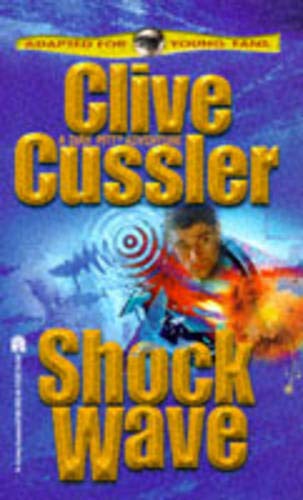
From School Library JournalGrade 10 Up-An abridgment of Cussler's adult title of the same name (S & S, 1996). Diabolical diamond mogul Arthur Dorsett, descendent of a convicted highwayman, plots to drop the bottom on the diamond market. Enter the dashing superman named Dirk Pitt and the rest of the gang at the U.S. National Underwater and Marine Agency (NUMA) to save the day. A mysterious plague kills thousands of animals and humans and threatens to kill millions more. Throw in a kidnapping and a few decidedly unseaworthy boats and you've got the plot. Nothing in the tone or style of the book has changed from the original. The story takes readers from one adventure to another without pause for meaningful discussion of any character. Descriptions of lead characters are limited to two or three sentences about physical appearance. The plot and style are still technical and sophisticated enough to turn away most young adult readers-none of the language is truly "Adapted for Young Fans." Those who would pick up this title are better off taking the original book from the adult-fiction section.Elaine Baran, Gwinnett County Public Library, Lawrenceville, GACopyright 1999 Reed Business Information, Inc.About the AuthorClive Cussler's life nearly parallels that of his hero, Dirk Pitt®. Whether searching for lost aircraft or leading expeditions to find famous shipwrecks, he has had amazing success. With his NUMA crew of volunteers, Cussler has discovered more than sixty lost ships of historic importance, including the long-lost Confederate submarine Hunley. Like Pitt, Cussler collects classic automobiles. His collection features eighty examples of custom coachwork and is one of the finest to be found anywhere. Cussler divides his time between the deserts of Arizona and the mountains of Colorado. Excerpt. © Reprinted by permission. All rights reserved. Chapter 1 January 14, 2000 Seymour Island, Antarctic Peninsula There was a curse about the island. A curse proven by the graves of men who set foot on the forbidding shore, never to leave. Seymour Island made up the largest ice-free surface on or near the whole continent of Antarctica. It was a singularly ugly place, inhabited only by few varieties of lichen and a rookery of Adélie penguins. The majority of the dead, buried in shallow pits pried from the rocks, came from a Norwegian Antarctic expedition after their ship was crushed in the ice in 1859. They survived two winters before their food supply ran out, finally dying off one by one from starvation. Lost for over a decade, their well-preserved bodies were not found until 1870, by the British while they were setting up a whaling station. The restless ghosts of the explorers and sailors that roamed the forsaken ground could never have imagined that one day their resting place would be crawling with accountants, attorneys, plumbers, housewives and retired senior citizens who showed up on luxurious pleasure ships to gawk at the inscribed stones and ogle t