Books

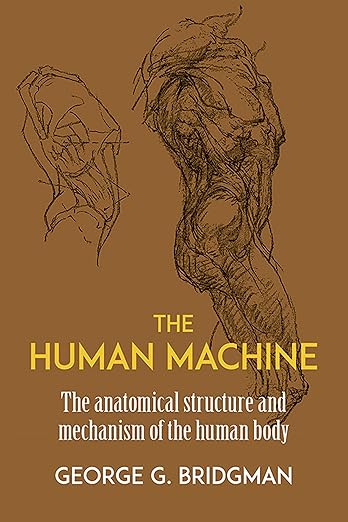
The human machine

Paperback - June 1, 1972

By George Brant Bridgman

ISBN: 0486227073
Publisher: Dover Publications
Year: 1972
Pages: 160
Compare & Save from $13.40 total - 2 sellers competing

Select Condition

Condition Guide

Select a condition to see available offers

About This Book

What is the difference between art anatomy and Bridgman's concept of the human machine? The human machine is the body as not only a fixed framework but also as a complex work of art which moves and was designed to move. In over 400 drawings, George B. Bridgman demonstrates the machine through the presentations which made him a gifted lecturer and teacher in his nearly fifty years at the Art Students League in New York and which gave life to drawings by his many students during those years. All skeletal and muscular systems are fully identified, and all are shown in front, back, and side views.The Human Machine begins with the framework of bones. In each section (head, neck, hand, arm, forearm, elbow, trunk, shoulder, back, scapular region, pelvis, hip, thigh, leg, knee, foot, and toe as well as the combinations of the major sections working together), George Bridgman starts with the skeletal components of the system; then he adds the muscles, shows the changes in the muscles as the body moves and, finally, shows the appearance of the bodily section in action. At the title implies, Bridgman, throughout, supplements his anatomical work with comparative drawings of simple machines. The anatomical approach to figure drawing is the foundation for the study of human form, and as in his other books on figure drawing, Bridgman's Life Drawing and The Book of a Hundred Hands, Bridgman's approach to the subject is important and unique. The Human Machine will give students and serious artists the conception of the human structure as the complex of beautiful machines it is, and will show how bone and muscle structures are solely responsible for our movements and for the shapes which we, at various times, display.
Marketplace from $13.40
Partner price may differ
Buy →

Product Details

Publisher Dover Publications
Publication date January 1, 1972
Language English
Print length 160 pages
ISBN-10 0486227073
ISBN-13 978-0486227078
Item Weight 2.31 pounds

All Marketplace Offers

2 sellers competing for your order

Filter:
Condition Seller Total (book + shipping) Delivery Action
Very Good

Shipping standard: ships in ≤2 business days · Returns: Ask seller before buying · Seller-error returns always accepted (30 days; seller covers return shipping).

CA
★ 4.7 · 1,158 reviews
1,390 sales
$13.40
$13.40 book + $0.00 shipping
Arrives Nov 29-Dec 2 · Handling: 5 days
Estimated · shipping & returns
Select
New

Shipping standard: ships in ≤2 business days · Returns: Ask seller before buying · Seller-error returns always accepted (30 days; seller covers return shipping).

GE
New seller · 0 reviews
$193.38
$187.39 book + $5.99 shipping
Arrives Nov 27-Nov 30 · Handling: 3 days
Estimated · shipping & returns
Select
No marketplace copies available in this condition.
Showing of 2 offers

Editorial Reviews

Editorial Review

From the Back CoverWhat is the difference between art anatomy and Bridgman's concept of the human machine? The human machine is the body as not only a fixed framework but also as a complex work of art which moves and was designed to move. In over 400 drawings, George B. Bridgman demonstrates the machine through the presentations which made him a gifted lecturer and teacher in his nearly fifty years at the Art Students League in New York and which gave life to drawings by his many students during those years. All skeletal and muscular systems are fully identified, and all are shown in front, back, and side views.The Human Machine begins with the framework of bones. In each section (head, neck, hand, arm, forearm, elbow, trunk, shoulder, back, scapular region, pelvis, hip, thigh, leg, knee, foot, and toe as well as the combinations of the major sections working together), George Bridgman starts with the skeletal components of the system; then he adds the muscles, shows the changes in the muscles as the body moves and, finally, shows the appearance of the bodily section in action. At the title implies, Bridgman, throughout, supplements his anatomical work with comparative drawings of simple machines. The anatomical approach to figure drawing is the foundation for the study of human form, and as in his other books on figure drawing, Bridgman's Life Drawing and The Book of a Hundred Hands, Bridgman's approach to the subject is important and unique. The Human Machine will give students and serious artists the conception of the human structure as the complex of beautiful machines it is, and will show how bone and muscle structures are solely responsible for our movements and for the shapes which we, at various times, display. Unabridged republication of the 1939 edition. About the AuthorCanadian artist George Brandt Bridgman (1865-1943) studied at the École des Beaux Arts in Paris and taught at New York City's Art Students League. Generations of students have learned the principles of anatomy and figure drawing from his books, which rank among Dover's most popular art instruction texts.
Shipping set per seller
Compare book + shipping totals for each offer
Seller-error returns
Returns accepted for seller errors. Ask the seller about change-of-mind returns
Partner purchases
MedicalBook.online handles payment, shipping and returns for its orders
Email Support
[email protected] for buyers and sellers